

2026-08-31
Exploring the Intriguing World of LordGanesha and Br88.bet
Dive into the captivating universe of the game 'LordGanesha' and understand the essence of playing on platforms like br88.bet.
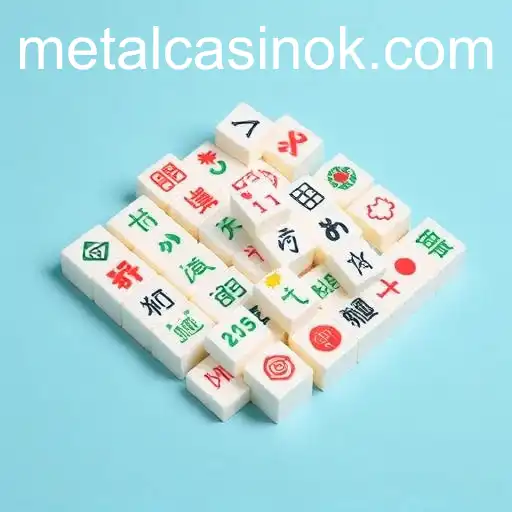
Mahjong, a game cherished across many cultures, is a captivating mélange of history, strategy, and skill. Originating in China, this tile-based game has spread its influence worldwide, capturing the interest and engaging millions of players.
Mahjong's origins can be traced back to ancient China, where it is believed to have evolved during the Qing Dynasty. Its development brought together traditional Chinese elements, creating a game that served both as entertainment and a method of social connection. Initially, Mahjong was played among the elite class but soon permeated all levels of society, gaining immense popularity. This widespread appeal made Mahjong not just a game but a cultural phenomenon that has endured the test of time.
The game of Mahjong comprises 144 tiles, traditionally engraved with Chinese characters and symbols. These tiles are divided into suits and honor tiles, including Winds and Dragons. The primary objective is to form specific tile combinations that consist of sets and pairs, echoing some similarities to card games like Rummy. The game is played among four players, although variations for three players exist, reflecting the adaptability of Mahjong to different cultural contexts.
Mahjong tiles are divided into three suits: Bamboo, Characters, and Dots. Additionally, the honor tiles are divided into Dragons (Red, Green, and White) and Winds (East, South, West, North). Each player begins with 13 tiles, drawing and discarding them in turns, with the goal of forming a Mahjong hand.
As Mahjong thrived in China, the early 20th century saw the game spreading beyond its borders. Its introduction to Japan led to the development of unique variations like Riichi Mahjong, which incorporated elements of luck and skill, enhancing its complexity. Similarly, in other parts of Asia, local adaptations enriched the game’s variety, tailored to different tastes and preferences.
Mahjong’s expansion into Western countries introduced it to new audiences. The 1920s saw Mahjong clubs forming in the United States, where it quickly became a trendy pastime. Marketing efforts combined with a fascination for Asian culture fueled its popularity. Today, Mahjong enjoys a robust presence worldwide, with international tournaments and online platforms connecting enthusiasts from all corners of the globe.
The digital age has transformed how Mahjong is played and appreciated. Online platforms such as br88.bet provide opportunities for players to engage in virtual games, facilitating connections across geographic barriers. This transition to digital gaming has allowed Mahjong to retain its cultural essence while appealing to a modern audience.
One of the most alluring aspects of Mahjong is its strategic depth. The game requires players to exercise strategic thinking, memory, and adaptability. The ability to anticipate opponents’ moves and adjust strategies is crucial for success. Each decision, from choosing which tile to discard to recognizing the potential hands of others, affects the game’s outcome.
Successful Mahjong players often exhibit a blend of patience and skill. Understanding probability and being aware of the tiles played are integral to developing effective strategies. Players must balance offensive maneuvers, such as going for a quick win, with defensive tactics to prevent others from achieving Mahjong.
Another critical strategy is the ability to bluff and mislead opponents. By projecting a misleading hand or concealing one’s true position, skilled players can exert psychological influence, compelling others to make mistakes.
Beyond its gameplay, Mahjong holds deep cultural significance, symbolizing social harmony and intellectual engagement. The game fosters connections among players, often bringing together family or friends for shared experiences. In many cultures, Mahjong is more than a pastime; it is a tradition that honors social interaction and community.
The tiles in Mahjong are imbued with symbolism reflective of Chinese philosophy and values. For example, the honor tiles representing Dragons and Winds have associations with fortune and direction, respectively. These symbols are woven into the fabric of the game, making each session not just a challenge of strategy but also a cultural homage.
Mahjong continues to captivate players worldwide, with its blend of cultural richness and strategic complexity. Its ongoing evolution and adaptation demonstrate a remarkable resilience, making it as relevant today as it was centuries ago. Whether played in a traditional setting or through online platforms like br88.bet, Mahjong offers an engaging experience that transcends geographical and cultural boundaries.
Dive into the captivating universe of the game 'LordGanesha' and understand the essence of playing on platforms like br88.bet.

Delve into the exciting realm of 5Fortunator, a captivating online game hosted on br88.bet, focusing on its intricate gameplay mechanics and vibrant community.

Delve into the exhilarating world of LuckyJungle1024, a captivating mix of luck and strategy set against the backdrop of a mystical jungle. This article explores the game's mechanics, features, and rules, offering insights into a thrilling gaming experience linked with current events.